Describe what you can observe
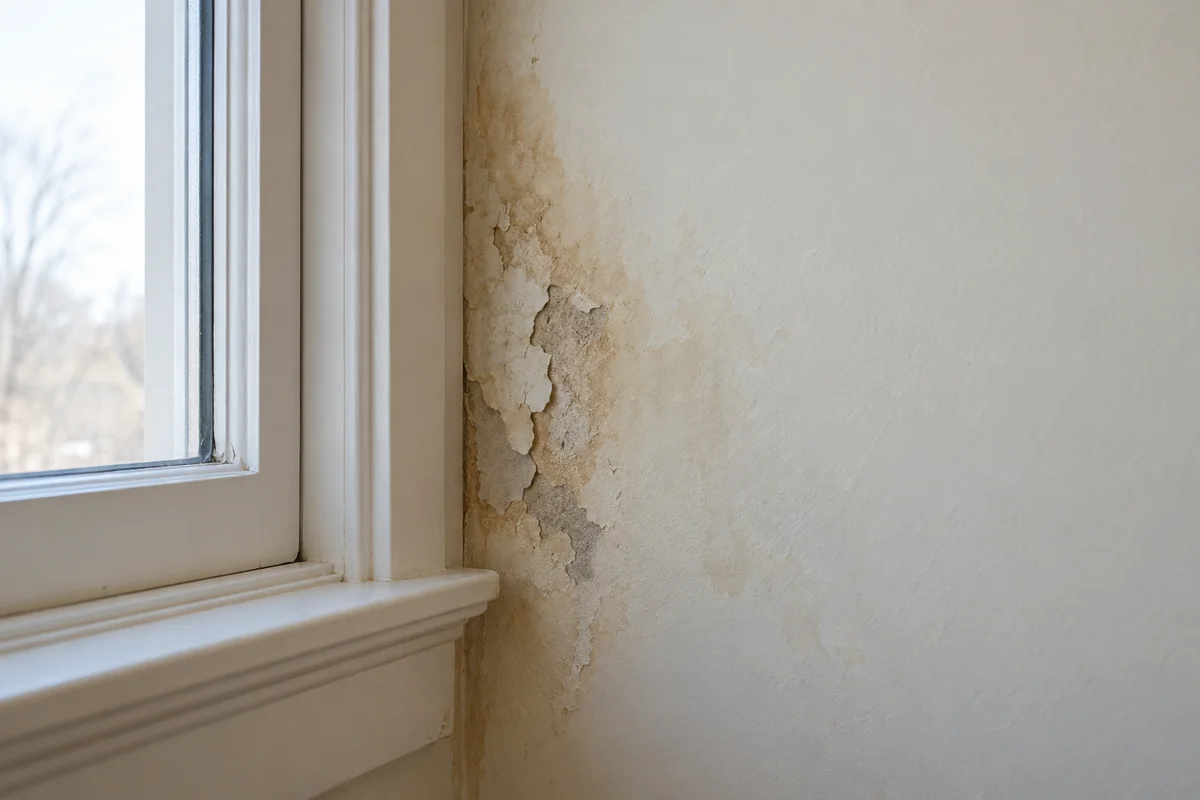
Start with the place and the behavior rather than naming a repair. A kitchen tap that drips after use, a toilet that refills between uses and a planned dishwasher replacement are different requests. Write when you first noticed the issue and whether it is continuous or intermittent. A clear description helps a plumber understand the question without treating your notes as a diagnosis.
Use ordinary words if you do not know a component’s name. Include an accessible model label or an existing product document when available, and mark anything you cannot identify. Do not dismantle a fixture, enter a confined space or repeat an unsafe action to improve the brief. An urgent or hazardous situation needs appropriate local help before a planning exercise.
Separate the work from nearby decisions
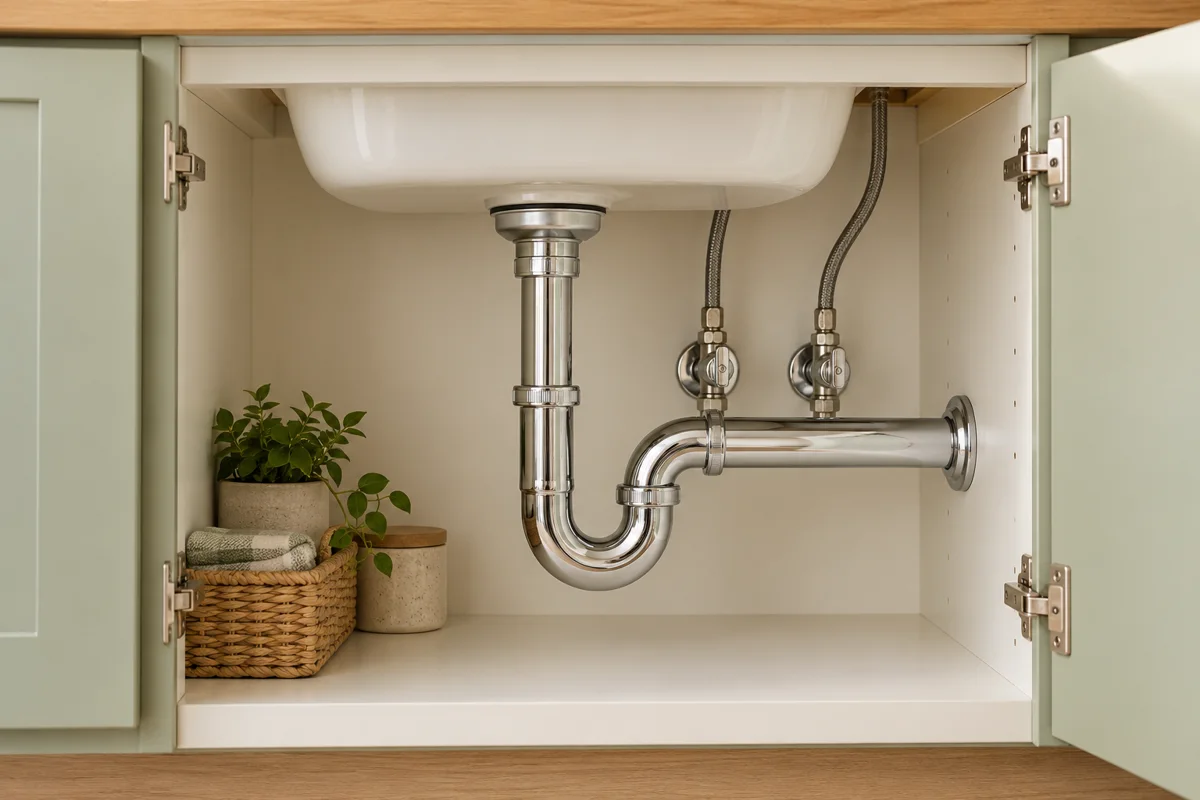
A plumbing request can be part of a larger project. Replacing a sink may involve the cabinet, countertop, tap, waste connection and delivery schedule. List which items you already have and which remain undecided. Distinguish replacing something in its present position from moving it elsewhere, because the questions a professional needs to assess can differ.
Describe the outcome you want to discuss: repair an existing fixture, assess a recurring observation or plan an installation. Avoid writing a preferred technical solution as though it has already been approved. EPA WaterSense information can help frame questions about water use and leaks, but a general resource cannot determine the cause of a particular problem in your home.
Make the visit and estimate easier to scope
Note practical access information without putting private details into a public document. Which room is involved? Is the area normally occupied during the day? Does another installation or delivery have to happen first? Keep personal contact and access arrangements for the provider you choose rather than adding them to a browser planning tool.
Ask what the proposed visit includes and what remains subject to inspection. Record whether the discussion concerns an assessment, a repair or a complete installation. If a quotation depends on information that is not yet known, keep that uncertainty visible. This makes it easier to compare the same scope later without confusing a preliminary conversation with a firm commitment.
Keep the outcome with the original brief
After speaking with a provider, add its explanation, proposed work and remaining questions to your own project file. Keep any product specification, written estimate and later revision together. A brief is useful because it can be updated; it does not become a repair instruction simply because a professional has read it.
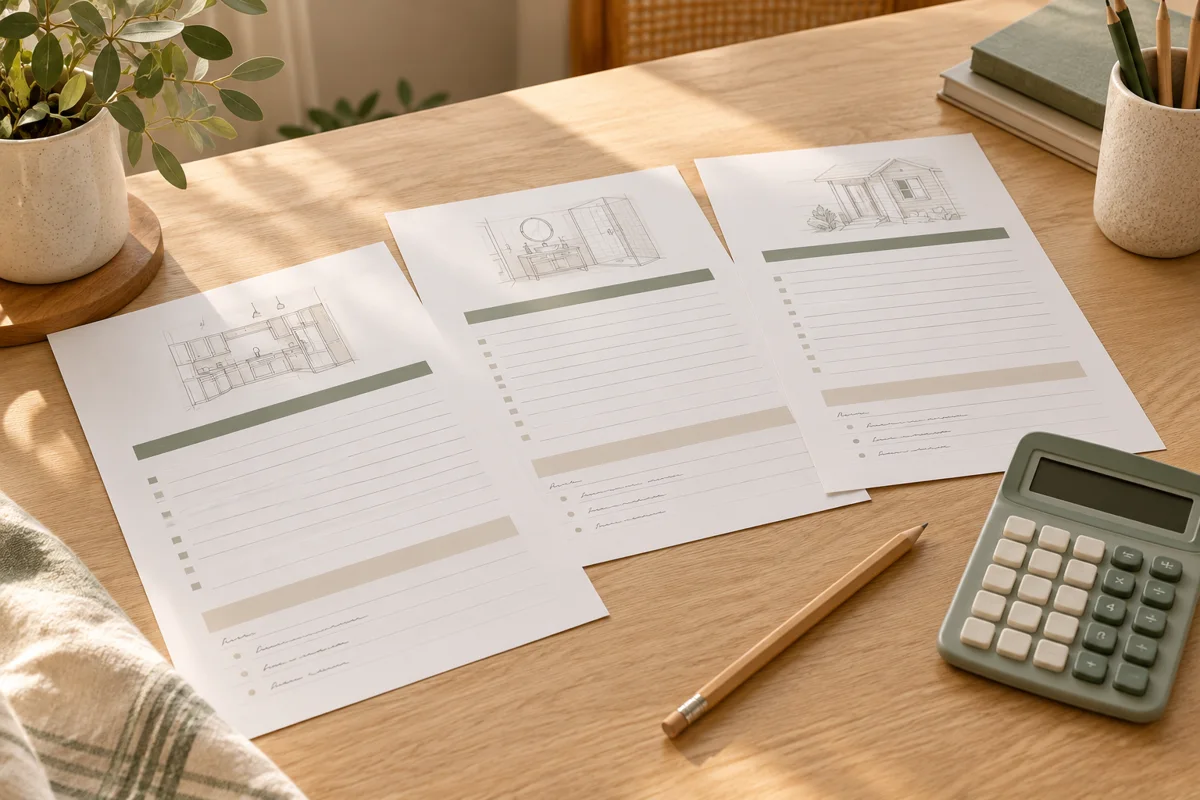
Use the project planner to organize the description, timing preference and notes, then copy or print it for your own use. Useful Spaces does not submit the brief to a plumber, book a visit or verify a diagnosis. Choose and contact a suitable provider separately, and confirm the actual work, responsibilities and terms before authorizing it.