Put safety and access first
A restoration project can begin after water, smoke, fire or other damage, but a planning page cannot determine whether a building is safe to enter. Follow instructions from emergency services, local authorities and relevant utilities. Ready.gov’s flood guidance, for example, says to return only when authorities say it is safe. Do not enter an unsafe space to complete a list or take a photograph.
Start a record using information already available to you. Note the event, the date you became aware of it and the areas that may be affected. Distinguish what you observed from what someone has assessed professionally. An area that appears dry or clean is not, by itself, proof that the structure or building systems are suitable for use.
Separate assessment from proposed work
Restoration may involve several decisions: understanding damage, identifying the affected materials, addressing the source of a problem and planning the work needed afterward. Ask the provider to explain the proposed scope and what it will assess before recommending action. Keep unfamiliar terms as questions rather than selecting a treatment because it sounds comprehensive.
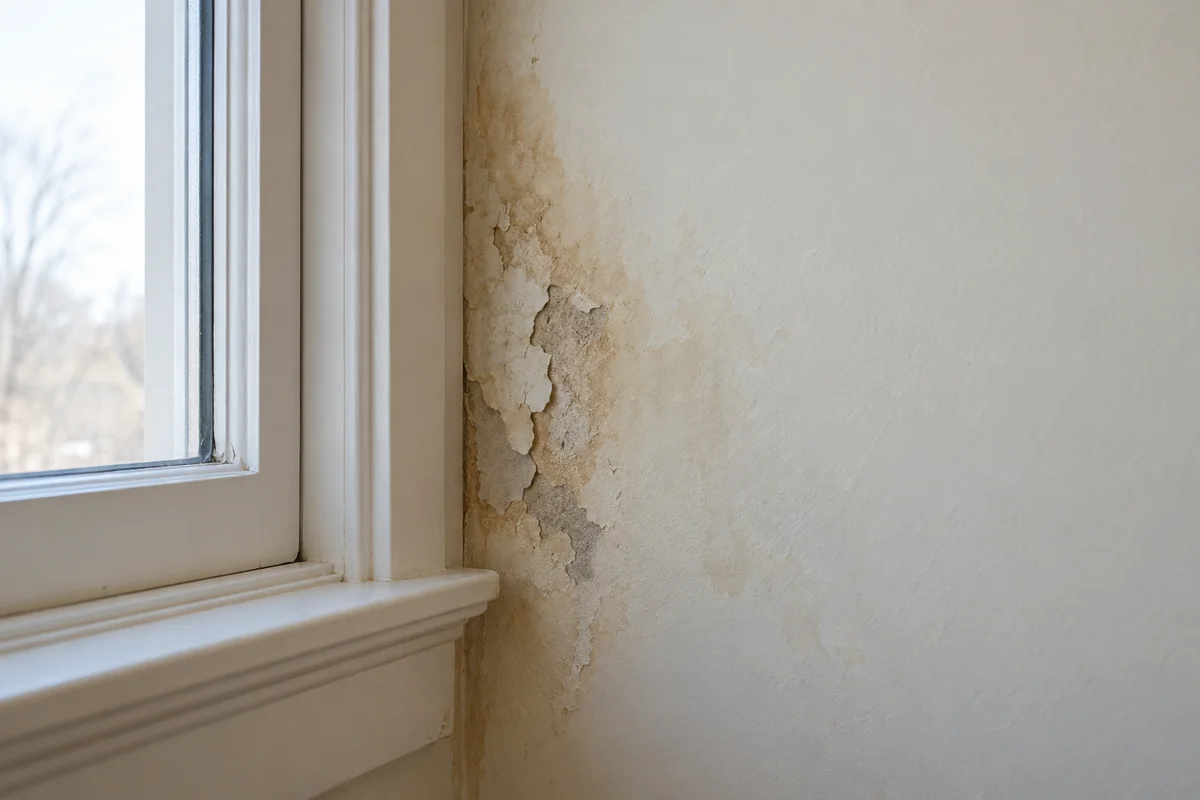
Where water damage or mold is involved, EPA guidance discusses factors that affect who should perform the cleanup and the importance of relevant experience. Do not use a general article or a rough area measurement to conclude that a particular job is suitable for you. Health concerns, contamination and building conditions need appropriate professional consideration.
Keep project responsibilities visible
Make a list of the people and organizations already involved, then record what each is responsible for. Keep sensitive claim numbers and contact details in your own secure records rather than a general project planner. A contractor’s estimate, an insurer’s position and an authorization to begin work are separate documents with different purposes.
Ask which work is included, what further assessment may be needed and how changes will be documented. Clarify cleanup, removal, repair, replacement and making-good tasks rather than treating them as interchangeable. Note dependencies between trades and any limits on access or occupancy that have been communicated by the appropriate authorities or professionals.
Build a brief that can be updated
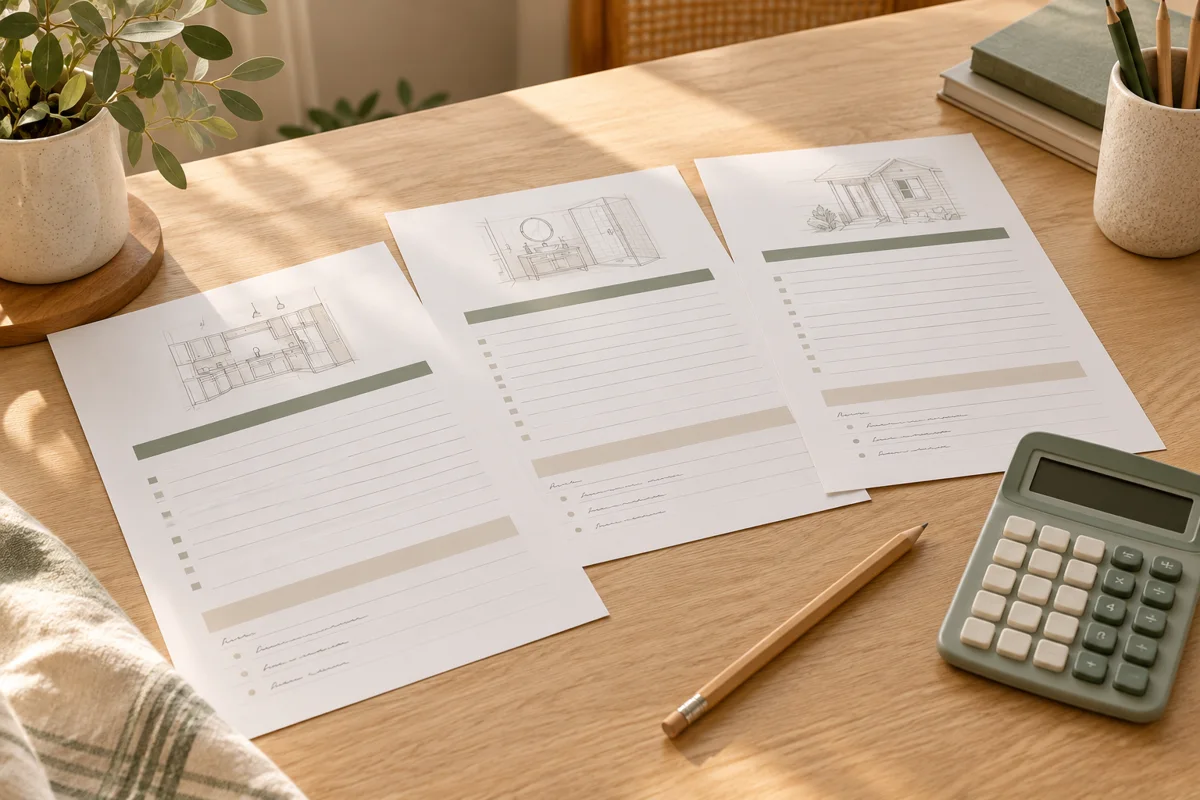
Summarize the situation in plain language: the type of work you want to discuss, what is already known and the questions still open. Record your timing preference without implying that a provider has committed to it. Keep copies of written proposals and the reasons for any changes, so that a later conversation starts from the same information.
Useful Spaces helps organize that record locally. It does not provide emergency response, assess damage, choose a remediation method, verify providers or decide an insurance outcome. Review the official resources linked here and arrange appropriate assistance separately. A clear brief helps you ask the next question; it cannot replace the assessment required for the actual building and circumstances.