Keep the first record simple
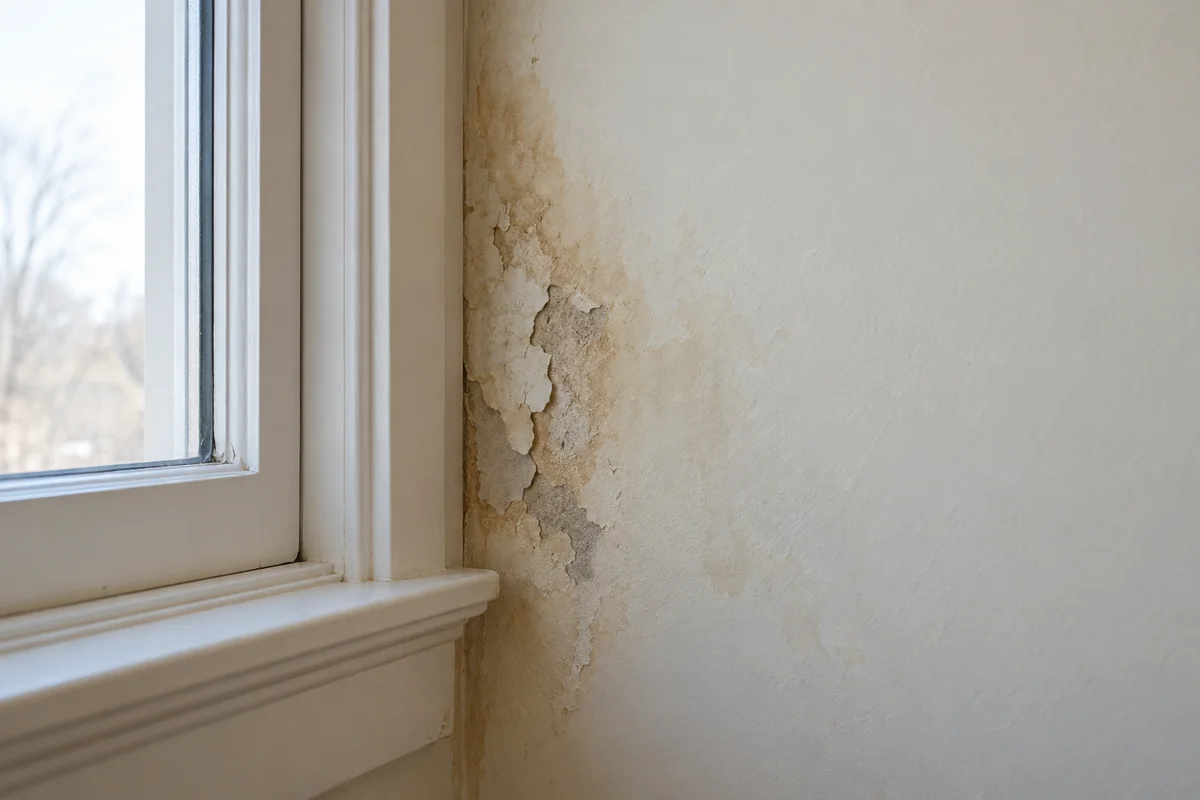
Begin with the reason for the conversation: routine condition assessment, an observation inside the home, known damage or a proposed improvement. Write when you noticed it and which area is involved. A ceiling mark and a roof defect are not the same observation. Record what you can see without deciding where a problem begins or which repair is needed.
Stay within places you can already access safely. This guide does not ask you to climb onto a roof, enter an unsafe loft or inspect damage at close range. Existing paperwork and observations from a safe location are enough to begin a useful question. If conditions may pose immediate danger, follow the relevant local emergency instructions before continuing with a planning task.
Gather the project history you have
Find previous roofing paperwork, product information or a record of earlier work if available. Note whether the information describes the whole roof or only one section. Mark dates and materials as unknown where necessary. You do not need to invent an age, system type or maintenance history in order to request a professional assessment.
List related work that could affect the discussion, such as a planned extension, roof-mounted equipment or an interior refurbishment. Explain what is a confirmed project and what is only an idea. Bringing those plans together can help the provider identify questions to coordinate; it does not mean that one contractor has accepted responsibility for every connected task.
Clarify what a proposal covers
Ask the provider to distinguish an assessment, a limited repair and a broader replacement proposal. Record the area covered, the information it intends to provide and any condition that remains unknown before access or further investigation. A useful written scope says enough for you to recognize what is being proposed without relying on a reassuring headline.
Compare practical responsibilities as well as materials: access arrangements, protection of nearby areas, disposal, making good and the handling of unexpected findings. Ask which items are included and which require a separate agreement. Avoid assuming that the highest or lowest total reflects the same work when the descriptions cover different areas or levels of investigation.
Keep a decision record
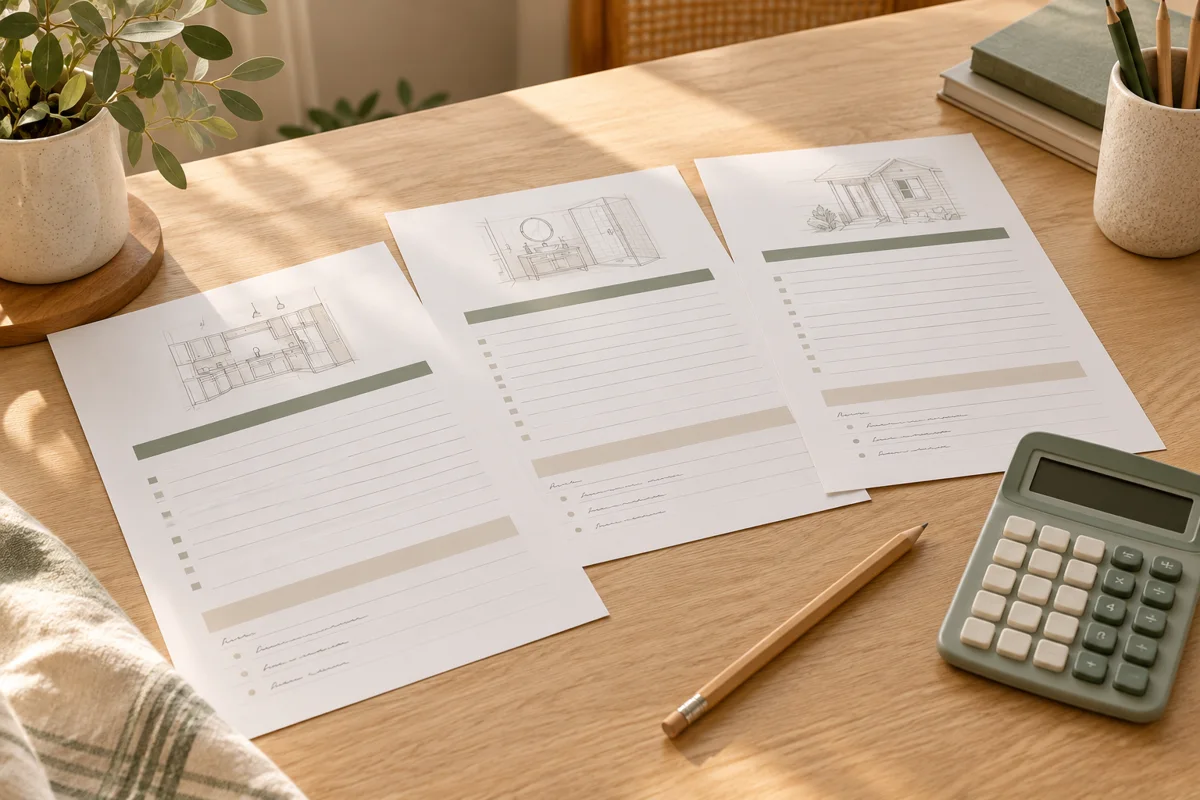
Put each written proposal beside the same original brief and note where it answers your questions. Ask for unclear differences to be explained in writing. The FTC’s contractor guidance is a useful starting point for checking a business and considering estimates, but local requirements and the specific agreement still need their own review.
Use a short project brief to prepare for a conversation, then keep the provider’s explanation and later revisions with it. Useful Spaces does not inspect roofs, certify a contractor, arrange appointments or decide insurance coverage. Your next step is to select appropriate professional help and confirm the actual assessment or work you want to authorize.